
At first glance, cleaning might seem like cleaning, but is it really the same after a renovation or new build? The truth is, the difference can impact safety, appearance, and long-term maintenance. When it comes to Power Washing in Central Islip, Long Island, comprehending what sets construction cleansing apart could save you time, money, and unexpected headaches.
Information on Power Washing in Central Islip, Long Island.
TL;DR:
Construction cleaning differs from regular cleaning because it focuses on removing post-build dust, debris, and hazardous residues to make a space safe and ready for occupancy. It includes detailed surface cleansing, window and fixture care, deep sanitation of kitchens and bathrooms, thorough floor treatment, proper waste disposal, and a final inspection to ensure cleanliness, safety, and healthy indoor air quality.
What Is Included in Construction Cleaning Services?
Post-construction cleaning, also known as post-build cleanup or after builders cleansing, is performed once construction or renovation work is complete. Its purpose is to make the building safe, clean, and ready for occupancy, not just visually appealing, but also hygienically sound and free of hazards left behind during construction. Unlike regular housekeeping, this service focuses on removing fine dust, debris, adhesives, paint splatters, and other residues that affect both appearance and indoor air quality.
Remove Construction Dust and Debris from All Surfaces
One of the most critical steps in construction cleaning is eliminating the dust and debris that accumulate during building work. Construction dust often contains fine particles that settle across every surface and may affect indoor air quality if not properly removed.
This process typically includes:
- Using industrial-strength vacuums (often with HEPA filters) to remove fine particulate matter.
- Clearing drywall dust, sawdust, cement powder, and loose debris from walls, ceilings, vents, and floors.
- Cleansing light fixtures, door frames, shelves, and other surfaces where dust commonly collects.
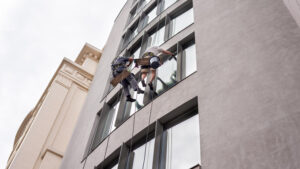
Clean Windows, Frames, and Glass After Installation
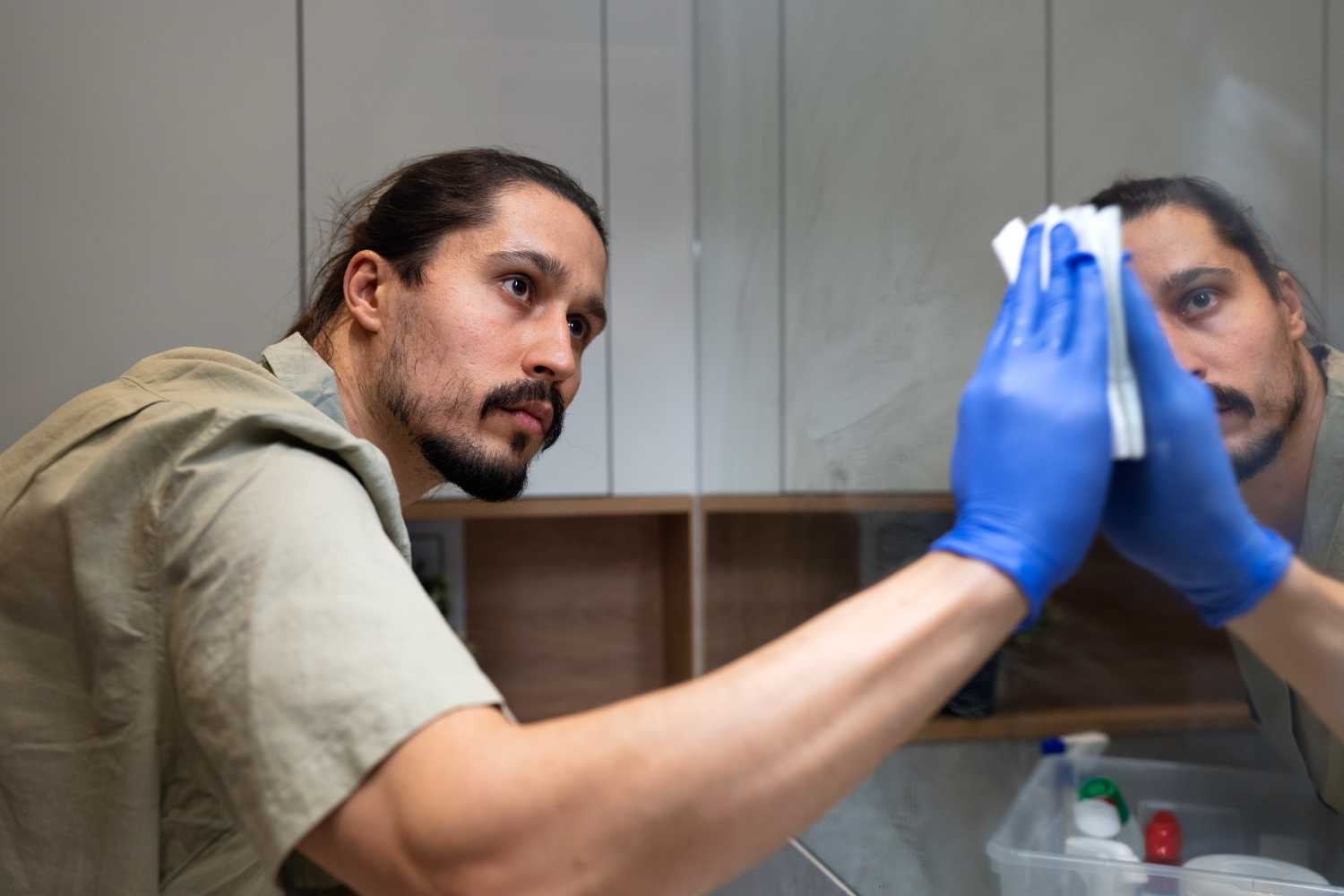
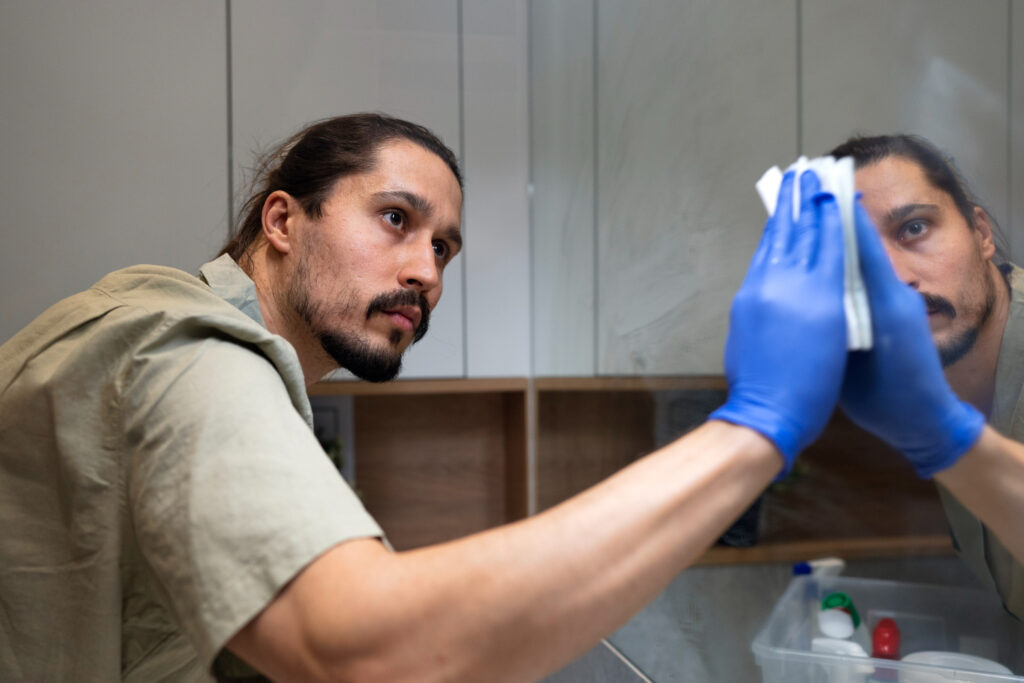
Glass surfaces often collect residue during construction, including adhesive labels, paint splatters, grime, and dust. These materials can remain visible and affect both appearance and function if not addressed carefully.
This stage generally involves:
- Washing or wiping windows, doors, mirrors, and partition panels with appropriate solutions.
- Detailing frames, sills, tracks, and edges to remove buildup.
- Removing adhesives, paint spots, and loose particles to restore clarity and proper operation.
Sanitize Kitchens and Bathrooms After Build Completion
Kitchens and bathrooms require deeper washing because of the amount of installation work performed in these areas. Residue from plumbing, tiling, cabinetry, and fixture installation must be thoroughly removed to ensure hygienic readiness.
This step commonly includes:
- Wiping and sanitizing countertops, backsplashes, sinks, and appliance exteriors in kitchens.
- Removing stickers, protective films, grout residue, and sealants left behind after installation.
- Scrubbing and disinfecting toilets, showers, tubs, vanities, and plumbing fixtures to eliminate construction dust and ensure sanitary conditions.
Detail Floors with Sweeping, Vacuuming, and Mopping
Floors are among the most affected surfaces on a construction site. Throughout the building process, they accumulate layers of sawdust, plaster, mud, and leftover packaging materials. Without proper cleansing, these residues can remain embedded on the surface and continue to circulate dust into the space.
Professional crews begin with sweeping or dry vacuuming to remove loose debris and visible dust. This initial step clears larger particles before moving on to more detailed cleansing. Next, they use high-powered vacuums, often equipped with HEPA filters, to eliminate finer particulate matter that may not be visible but can affect cleanliness and air quality.
After dry removal is complete, the final step depends on the type of flooring, whether hardwood, tile, laminate, or carpet. Crews may use wet mopping, steam cleaning, or specialized methods designed to remove stubborn residue without damaging finishes. This tiered approach ensures floors are thoroughly cleaned, helping maintain better indoor air quality and leaving the space polished and ready for occupancy.
Dispose of Leftover Materials and Packaging Safely
Waste collection and proper disposal are essential parts of construction cleaning. After a build or renovation, sites often contain significant amounts of leftover materials such as wood offcuts, drywall pieces, cardboard, plastic sheeting, tape, and packaging from newly installed fixtures and appliances.
Professional services segregate and dispose of waste safely, following applicable waste management regulations. Some materials may be recyclable, while others require special handling, such as treated wood or chemically contaminated packaging. This process helps ensure compliance with environmental and safety standards while removing hazards that leftover debris could pose to occupants or visitors.
This phase is often completed with a quality assurance walkthrough, where the team reviews each area using a checklist. They confirm that all debris has been removed and that floors, surfaces, and waste disposal meet established cleanliness and safety criteria before the space is considered ready for occupancy.
Key Takeaways.
- Construction cleaning is specialized and safety-focused.
Unlike regular housekeeping, post-construction cleansing prepares a building for safe occupancy after renovation or new construction. It removes hazardous residues such as fine dust, debris, adhesives, and paint splatters. - Thorough dust and surface cleaning is essential.
Construction dust can settle on walls, ceilings, vents, fixtures, and floors, affecting air quality if not fully removed. Professional crews use industrial-strength, often HEPA-equipped vacuums and detailed surface cleaning. - Windows, kitchens, and bathrooms require detailed finishing.
Glass surfaces are cleaned of adhesive residue, paint splatters, and buildup to restore clarity and function. Kitchens and bathrooms are deeply cleaned and sanitized after installation work. - Floor cleaning follows a tiered, surface-specific approach.
Floors accumulate multiple layers of construction debris that require sweeping, vacuuming, and specialized cleaning methods. High-powered vacuums remove fine dust before wet mopping, steam cleansing, or other treatments are applied. - Safe waste disposal and final inspection complete the process.
Leftover materials and packaging are segregated and disposed of according to waste management regulations. Some items are recyclable, while others require special handling to meet safety standards.
FAQs:
What are the four types of cleaning?
Cleaning after construction typically includes: removing dust and debris from all surfaces, cleaning windows and glass, sanitizing kitchens and bathrooms, and detailing floors with sweeping, vacuuming, and mopping.
What is the difference between post renovation cleaning and normal cleaning?
Post-renovation cleaning focuses on removing construction dust, debris, adhesives, and residues left after building work. Normal process handles everyday dirt and maintenance, not heavy construction-related materials or fine particulate buildup.
What is the meaning of construction cleaning?
Construction cleaning refers to specialized cleaning performed after construction or renovation. Its goal is to make the space safe, hygienically sound, and ready for occupancy by removing dust, debris, and leftover materials.
What is the difference between professional cleaning and regular cleaning?
Professional construction cleaning follows a systematic process, uses industrial-grade equipment, addresses hazardous residues, and includes proper waste disposal and inspection. Regular cleansing focuses on routine upkeep and does not typically handle post-build debris or air-quality concerns.
You May Also Like:
The Difference Between Commercial and Residential Pressure Washers