


Winter leaves subtle marks on exterior surfaces, often unnoticed until problems become impossible to ignore. Extreme cold tests every material, exposing which options truly endure and which slowly break down. The right choice goes beyond visual appeal and focuses on true performance under demanding conditions that challenge long-term stability.
Behind every lasting exterior lies a calculated decision that influences protection year after year. Identifying how certain materials react to cold climates reveals a smarter approach to exterior design and structural confidence. This is where lasting strength meets efficiency in projects like Siding Installation Long Island, delivering solutions built on proven reliability rather than short-term expectations, even when temperatures push materials to their limits.
TL;DR:
Choosing the right exterior material is essential in cold climates where durability, stability, and low maintenance matter most. Certain options stand out for their ability to withstand freezing temperatures without cracking, warping, or losing their visual appeal. Selecting a solution designed for harsh weather conditions helps protect the structure, improve long-term performance, and preserve a clean, reliable appearance through years of demanding winters.
Schedule your project with Siding Installation in Long Island, NY
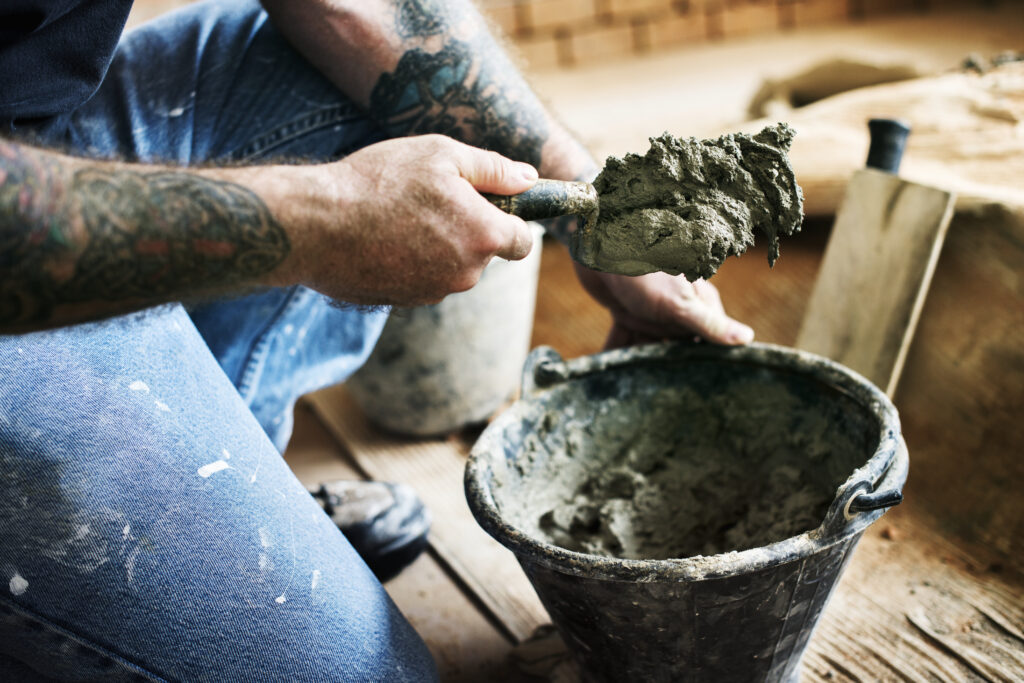
How Does Fiber Cement Resist Freezing and Extreme Weather?
Fiber cement is engineered to perform when temperatures drop and weather patterns become aggressive. Its composition creates a stable surface that maintains shape and strength under stress, helping exteriors stay intact through repeated freeze–thaw cycles. This performance comes from a balance of density and flexibility designed for cold climate durability.
- Dense material structure limits moisture absorption that leads to cracking
- Dimensional stability prevents warping during rapid temperature shifts
- Impact resistance helps withstand ice, snow buildup, and strong winds
- Fire and rot resistance reinforce long-term protection in harsh environments
Beyond its physical properties, fiber cement supports consistent performance year after year. Its ability to handle extreme conditions reduces repair frequency and preserves exterior appearance without constant intervention. Homeowners benefit from reliable weather defense that holds up through unpredictable winters while maintaining a clean, solid finish built for endurance rather than short-term results.
Dense Material Prevents Water Absorption
The compact composition of fiber cement creates a surface designed to resist moisture intrusion even in demanding environments. Its tightly bonded structure reduces the presence of pores where water typically settles, helping exteriors remain stable during prolonged exposure to rain, snow, and freezing temperatures.
This material density plays a critical role in minimizing internal stress caused by moisture expansion, allowing the surface to maintain its form and strength over time. Cold climates place constant pressure on exterior materials, and density becomes a defining factor in long-term performance and protection.
As temperatures fluctuate, moisture that penetrates lesser materials often leads to cracking and surface deterioration. Fiber cement addresses this challenge through controlled absorption levels that support consistent performance across seasons. This moisture control helps reduce the risk of freeze-related damage, preserving both structural integrity and visual appeal. The result is a durable exterior solution that supports longevity, limits maintenance demands, and reinforces confidence in environments where weather conditions can shift without warning.
Freeze-Thaw Cycles Cause Minimal Cracking
Fiber cement is built to handle repeated freeze–thaw cycles without suffering the surface damage common in less stable materials. Its balanced composition allows controlled movement as temperatures rise and fall, reducing internal stress that often leads to fractures. This ability supports structural stability during harsh winters, when constant expansion and contraction test exterior surfaces day after day.
- Engineered flexibility limits tension caused by temperature changes
- Reduced moisture retention lowers pressure during freezing conditions
- Reinforced composition strengthens resistance to surface fractures
- Consistent performance supports crack prevention over time
As seasons shift, materials that fail to adapt tend to show visible wear sooner. Fiber cement responds differently by maintaining cohesion and surface integrity across extreme conditions. This reliability contributes to long-term durability, allowing exteriors to retain their appearance and protective function without frequent repairs, even in climates where freeze–thaw cycles are unavoidable.
Durable Surface Withstands Snow and Ice
Fiber cement features a hardened exterior designed to tolerate the constant presence of snow accumulation and ice formation. Its surface resists abrasion caused by sliding snow, frozen debris, and repeated contact with melting and refreezing layers.
This surface strength helps maintain a uniform appearance while protecting the underlying structure from stress related to winter exposure. Heavy snow loads and ice buildup often compromise weaker materials, yet fiber cement remains steady due to its reinforced composition and engineered resilience.
Extended winter conditions demand materials capable of handling pressure without visible deterioration. Fiber cement responds with a solid outer layer that limits surface breakdown, chipping, and erosion over time. Ice expansion and compacted snow exert force against exterior walls, while this material absorbs impact without structural loss.
This weather resilience supports long-term performance, reduces maintenance demands, and preserves exterior reliability in environments where winter conditions dominate much of the year.
Temperature Fluctuations Have Little Effect on Structure
Fiber cement is designed to remain stable as temperatures rise and fall throughout the year. Its engineered composition limits excessive movement, allowing the material to maintain alignment during rapid weather changes. This controlled response supports structural balance, helping exterior surfaces avoid stress that typically weakens less adaptable materials.
- Dimensional stability reduces expansion and contraction
- Reinforced layers support resistance to thermal pressure
- Consistent density protects against internal separation
- Long-term performance promotes thermal stability in changing climates
Seasonal shifts often expose weaknesses in exterior materials, especially when daily temperature swings are extreme. Fiber cement performs differently by preserving cohesion and surface integrity across varied conditions. This reliability strengthens material integrity, supporting long-lasting exteriors that remain visually consistent and structurally sound despite ongoing environmental stress.
Long-Lasting Finish Reduces Seasonal Maintenance
Fiber cement is known for a finish engineered to retain its appearance through constant exposure to seasonal changes. Its factory-applied coatings are designed to resist fading, peeling, and surface breakdown caused by temperature shifts and moisture.
This finish durability helps exteriors maintain a clean, consistent look without requiring frequent touch-ups or repairs. Harsh winters and humid summers often accelerate wear on traditional materials, while fiber cement holds its color and texture with minimal intervention.
Seasonal maintenance demands can quickly add up when materials react poorly to environmental stress. Fiber cement addresses this issue by providing a stable surface that limits damage from snow, ice, heat, and rainfall. This reduced upkeep allows property owners to focus on long-term performance rather than recurring fixes. Over time, fewer repairs and repainting cycles translate into dependable protection, preserved aesthetics, and a more efficient approach to exterior care across changing seasons.
Key Takeaways
- Fiber cement stands out in cold climates due to its ability to maintain structural stability under extreme temperatures, resisting cracking, warping, and surface deterioration caused by winter stress.
- Its dense composition limits water absorption, reducing internal moisture buildup that often leads to freeze-related damage and long-term material failure in harsh environments.
- The material is engineered to handle repeated freeze–thaw cycles, allowing controlled movement that minimizes internal stress and preserves surface integrity over time.
- A reinforced exterior surface enables fiber cement to withstand snow loads, ice buildup, and impact without compromising appearance or protective performance.
- Long-lasting finishes reduce seasonal maintenance needs by resisting fading, peeling, and wear, supporting consistent aesthetics and reliable protection year after year.
FAQs
How much does siding cost in Long Island?
Siding costs in Long Island depend on material choice, home size, and installation needs. Durable, cold-weather materials may cost more upfront while offering long-term value and lower maintenance.
How much does construction cost per square foot in Long Island?
Construction costs per square foot vary based on project type, materials, and labor. Exterior projects often reflect climate demands and local building standards.
How much does a new roof cost in Long Island?
Roof costs depend on size, materials, and condition of the structure. Weather-resistant roofing helps protect against snow, ice, and temperature changes.
What is the best time of year for siding replacement?
Late spring to early fall is ideal, as moderate temperatures support proper installation and preparation for winter.