


Expert Masonry Professionals for Repair Services in Long Island
Looking to enhance your property’s durability and curb appeal? At F3 Construction, our skilled masonry contractors in Central Islip, Long Island specialize in high-quality brick, stone, and concrete work. Whether you need new installations, custom designs, or masonry repair Long Island, our experienced team delivers lasting results that combine strength and style.
As a trusted Long Island masonry company, we take pride in our craftsmanship, ensuring every project—from patios to retaining walls—adds beauty and value to your home.
What Services Does
a Masonry Company Offer?
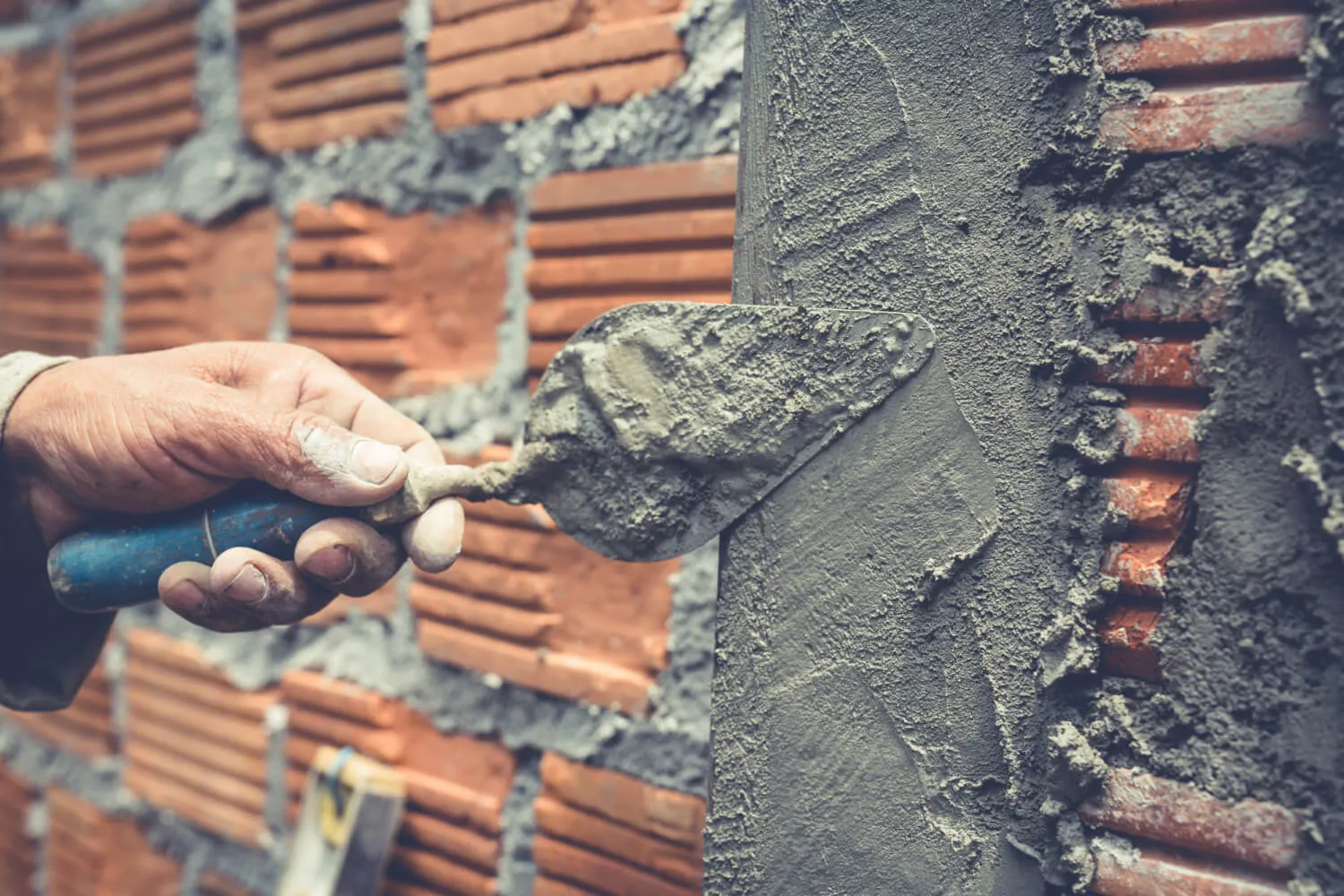
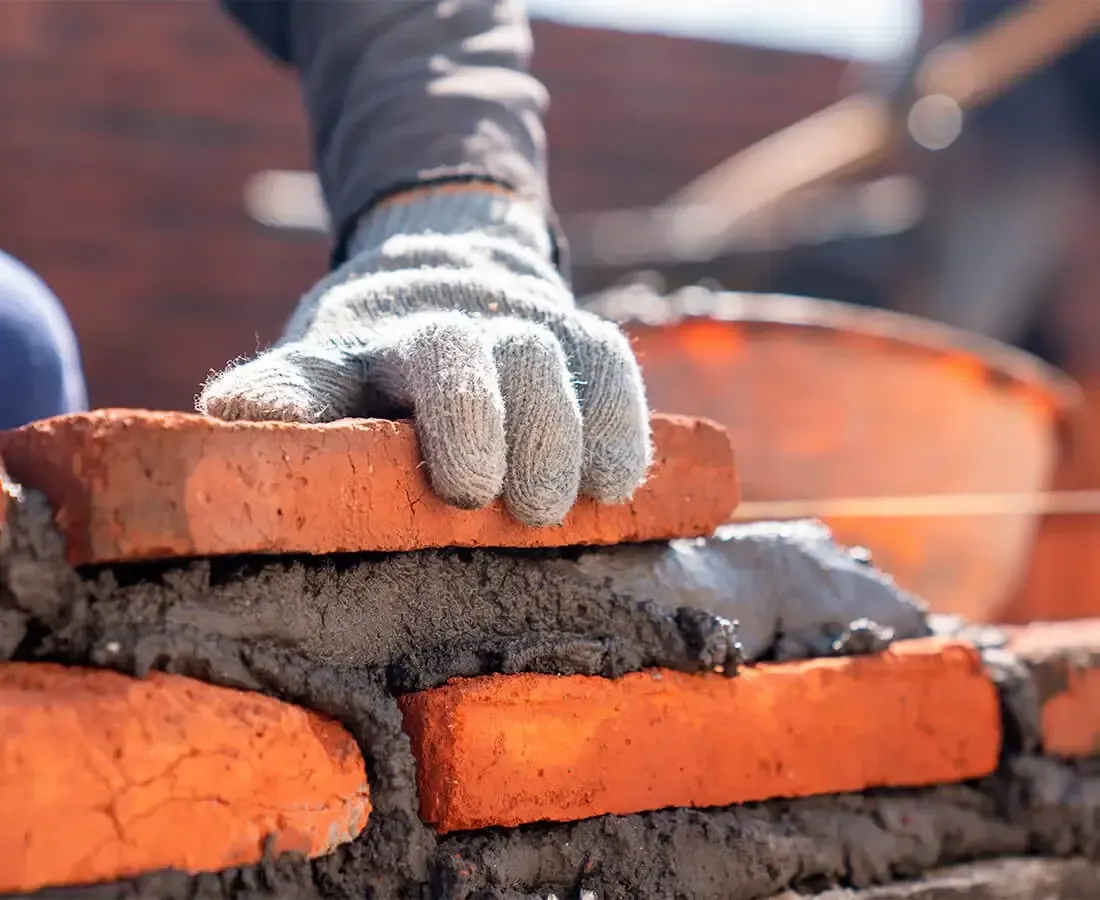
Masonry involves the construction and repair of structures using materials such as brick, stone, and concrete. This age-old trade provides not only structural support but also timeless aesthetic appeal.
As a leading masonry company Long Island, F3 Construction uses modern techniques and premium materials to ensure your masonry is strong, durable, and designed to last.
Our Masonry Installation Process in Long Island, NY
At F3 Construction, we provide a complete, transparent masonry experience tailored to your needs:
-
Consultation & Design:
We begin by understanding your vision, needs, and budget to create a customized masonry plan. -
Material Selection:
Choose from high-quality stone, brick, or concrete options to fit your property’s style and goals.
-
Construction & Installation:
Our licensed and insured masonry contractors Long Island NY handle every detail with precision and care. -
Final Walkthrough:
We ensure complete satisfaction with a detailed inspection and clean, polished finish.
When Should You Consider Masonry Repair or Installation?
- Your stone or brickwork shows visible cracks or damage
- You want to enhance your home’s exterior with a new walkway, patio, or retaining wall.
- You’re restoring or updating an older structure.
- You need weather-resistant construction that lasts decades.
Popular Masonry Work Options
- Brick & Stone Walls: Add timeless character and durability.
- Patios Driveway & Walkways: Create outdoor spaces that are both functional and stylish.
- Retaining Walls: Perfect for both structural support and visual appeal.
- Steps & Entryways: Durable, elegant, and custom-built for your home.
- Masonry Repair Long Island: Restore worn or cracked masonry to like-new condition.
Why Choose F3 Construction as contractor for Masonry in Long Island, NY?
Attention to detail for quality work
With over 20 years of experience, F3 Construction stands out among masonry contractors Long Island NY for exceptional quality, integrity, and customer satisfaction.
As a fully licensed and insured Long Island masonry company,we handle every project with professionalism and precision, ensuring results that exceed expectations
Testimonials
See what Long Island homeowners say about their masonry projects with F3 Construction:

Jeanette Lutin
3 Months Ago
I recently had my bathroom renovated, and I could not be happier with the results! From start to finish, the entire process was smooth, professional and stress-free. The team was Punctual, respectful of my home and communicated clearly every step of the way.
Read More
John Penza
A Year Ago
F3 was highly recommened by our neighbor. The owner Olman brought samples and sat down with us to review all the options. He was very helpful. I can't say enough about the crew and the GM Ivis. They were very respectful, cleaned up & checked with us every evening before...
Read More
George Macrelli
3 Months Ago
I highly recommend F3. They had to rebuild a cedar pool deck were structure was failing. They did a great job in making it structurally sound for years to come. F3 has a very detailed professional staff that really care about the quality of there service.
Read More
Laura Parker
3 Months Ago
Olman and his crew completed a beautiful job in my home, installing crown molding throughout. They were efficient, meticulous, courteous, well priced, and neat. Looks gorgeous! Would highly recommend!
Read More
Paul Anderson
10 Months Ago
F3 construction made the whole bathroom remodeling process very easy. They were meticulous and efficient from the demo to the painting. Cleaned up after everydays work and were on time everyday there after. We are extremely pleased with the final results. The project was completed in the...
Read More
Edward Freudenberg
10 Months Ago
F3 construction is a pleasure to work with and they do great work. I highly recommend them
Read More
Karen Obrien
A Year Ago
The F3 construction corporation, owner Olman, and the entire crew are a kind, dependable, professional team ..their knowledge of construction, work ethic , positive attitude , and willingness to understand the customer's needs.. far exceeds any other company. F3...
Read MoreHow to Find Us
Visit us in Long Island, NY, for a consultation and personalized masonry estimate.
View on Google Maps
Book Your Masonry Consultation Today!
Contact Us NowFrequently Asked Questions
-
What is a masonry contractor in Central Islip, Long Island?
A masonry contractor is a professional who builds and repairs structures made of brick, stone, or concrete to ensure strength, durability, and visual appeal. -
What is masonry construction in NY?
Masonry construction uses materials like brick, stone, or concrete blocks joined with mortar to create strong, long-lasting buildings or outdoor features. -
What are the three types of masonry?
The three main types are brick masonry, stone masonry, and concrete block masonry. -
What is the best time to hire a masonry contractor?
The ideal time is during spring or early summer when weather conditions are optimal and project timelines are smoother. -
How long does masonry last?
Properly maintained masonry can last 50 to 100+ years, depending on the materials and climate conditions.