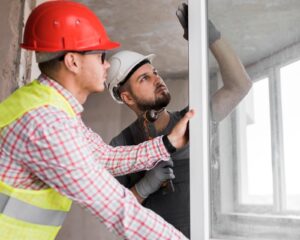




Local presence takes on new layers when optimization techniques intertwine with decisions that seem unrelated to rankings, such as the debate “Vinyl vs. Wood Replacement Windows: Which Is Better for Long Island?”, offering an early hint of how certain factors can influence real visibility.
TL;DR: The introduction creates intrigue by connecting Google Maps positioning with unexpected decisions —like window type— to suggest how seemingly unrelated elements can influence local visibility and prepare the reader to understand what drives effective ranking.
See full window guide replacement windows in Long Island

Which Window Type Performs Better in Long Island’s Climate?
Coastal weather can put any material to the test, and understanding how each option responds helps visualize its true resistance. Intense seasonal changes, salty winds, humidity, and temperature variations can deteriorate even high-quality materials if they’re not designed for these conditions.
The area requires windows that retain heat in winter and reflect it in summer, maintaining stability in extreme scenarios.
- Greater thermal insulation thanks to their internal chambers.
- Strong performance against humidity and salinity.
- Reduced maintenance needs due to their durability.
- Structural stability against strong winds.
- Aesthetic and functional performance adaptable to various local styles.
Evaluating how each window type behaves makes it possible to identify which option best maintains indoor comfort, prevents leaks, improves energy efficiency, and reduces repairs. Subtle differences significantly impact the homeowner’s experience and the home’s protection.
Performance of Vinyl Windows in Long Island’s Weather
Vinyl windows show a consistently stable performance when facing sudden temperature changes, something common in Long Island. Their structure prevents warping and maintains a constant level of insulation, even when humidity and ocean breeze increase their impact.
This sustained performance becomes a reliable advantage for homes exposed to intense variations, since vinyl does not absorb water, does not swell, and does not lose its shape during the most humid months. Its corrosion resistance makes it suitable for areas exposed to salinity, a factor that significantly deteriorates other porous materials.
Another important aspect is their ability to resist corrosion and wear without requiring much attention. The composition of the material helps maintain its shape and color despite coastal exposure, offering a balance between durability and practicality that many homeowners value.
These qualities reinforce the perception of a stable long-term performance in challenging weather conditions, allowing homes to maintain insulation, aesthetics, and functionality without the need for frequent or costly interventions.
Performance of Wood Windows in Seasonal Temperature Shifts
Wood offers a natural response to seasonal changes, providing a sense of warmth that is hard to replicate with other materials. Even so, its behavior can vary depending on humidity and thermal fluctuations, making maintenance a decisive factor in preserving its original performance.
This ability to expand or contract can be beneficial in some climates, but in Long Island—where seasons bring strong contrasts—it may lead to additional adjustments to preserve its integrity.
- Excellent insulation capacity due to its organic structure.
- Potential expansion or contraction depending on humidity.
- Frequent sealing and finishing needed to prevent damage.
- Strong aesthetic appeal in traditional settings.
- Greater sensitivity to leaks if not properly maintained.
With consistent attention and proper treatments, wood windows can offer stable functionality during seasonal transitions. Their performance stands out when rigorous maintenance is combined with an environment that appreciates their authenticity, as they provide superior aesthetics and excellent natural insulation. However, this level of performance only holds when the homeowner is willing to commit to ongoing care that preserves their structural properties.
Energy Efficiency Differences Between Vinyl and Wood
Energy differences between the two materials are often noticeable in how well they retain indoor temperature. Vinyl maintains consistent insulation thanks to its sealed construction, which helps reduce air leakage and stabilizes energy use. This structure delivers uniform performance even when the outdoor climate shifts dramatically, reducing the load on heating and cooling systems and keeping indoor temperatures more stable.
Wood, on the other hand, offers strong natural efficiency, although it requires frequent care to preserve its insulating capability. If finishes are not maintained, it can lose its seal over time, creating small leaks that affect temperature control. When properly cared for, it provides solid and reliable energy performance, comparable to vinyl, although it demands a higher level of maintenance to maintain that quality.
Maintenance Requirements for Each Window Material
Maintenance creates clear differences between both materials and determines how long they can preserve their appearance and functionality. Vinyl often stands out for its easy upkeep, while wood requires a more detailed routine to stay in optimal condition. These distinctions become essential for homeowners seeking a balance between aesthetics, performance, and the time they’re willing to dedicate to home care.
- Simple cleaning with water and soap.
- Requires periodic inspections due to its sensitive nature.
- Needs sealing and finishing to prevent moisture and deterioration.
- Vinyl maintains its color without painting.
- Wood requires more frequent aesthetic care each year.
Considering these tasks helps homeowners choose a material that matches their lifestyle and the level of attention they can commit to. With the right approach, both options can maintain their performance and appearance for years, though one difference remains clear: vinyl demands minimal upkeep, while wood requires consistent maintenance to achieve comparable results.
Long-Term Durability and Cost Considerations
Long-term durability depends on both the material and the conditions in which each window is maintained. Vinyl often delivers long-lasting resistance without the need for major interventions, making it a cost-effective option for those seeking stability with minimal maintenance investment.
Wood, on the other hand, can offer an extended lifespan when given consistent care, though this involves additional costs in treatments and finishes. Its long-term value is usually appreciated in homes that prioritize traditional aesthetics, creating a balance between performance and longevity depending on the homeowner’s priorities.
Key Takeaways
- Long Island demands windows that can withstand humidity, salinity, and sudden weather changes, which directly affects their performance and indoor comfort.
- Vinyl offers stability, strong insulation, and very low maintenance, even under intense coastal conditions.
- Wood provides warmth and excellent natural insulation, but it requires frequent care to prevent damage and warping.
- In terms of energy efficiency, both perform well, although vinyl maintains its seal for longer without additional intervention.
- When it comes to cost and durability, vinyl is more affordable and stable; wood stands out more for aesthetic appeal than for low maintenance.
FAQs
Do wood or vinyl windows last longer?
Vinyl typically lasts longer with less maintenance, while wood can last just as long — or even longer — but only if it receives consistent and proper care.
What are the negatives of vinyl windows?
They may have less aesthetic value, don’t allow the same detailed finishes as wood, and can’t be easily repaired or painted if significant damage occurs.
Should you replace wood windows with vinyl?
Yes, if you’re looking for lower maintenance, better stability in coastal climates, and a lower cost. Wood is worth it only if you prioritize traditional aesthetics and are willing to maintain it regularly.
What are the best long-lasting windows?
Vinyl windows for practical, stable durability; high-quality wood windows for those who follow a rigorous care routine. For most Long Island homes, vinyl remains the most durable option in real-world use.