


Your home’s finishing touches should be the crowning glory of your design, yet one choice can elevate your space or date it instantly. Most homeowners focus on color, but they overlook the one structural detail that determines if their investment lasts. Are you making a permanent mistake? Discover the truth about Construction for Crown Molding and Trim in Long Island, NY.
Start today Construction for Crown Molding and Trim in Long Island, NY
TL;DR:
Choosing between painted and stained crown molding depends on a home’s design style, environmental conditions, and maintenance preferences. Painted finishes offer smooth, consistent coverage that effectively hides architectural flaws and provides superior protection in high-moisture areas like kitchens and bathrooms. Conversely, stained finishes highlight the natural beauty and texture of wood grain for a warm, traditional aesthetic but require more meticulous upkeep and UV protection.
What is Painted Crown Molding Used For?
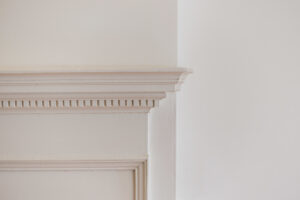
Painted crown molding is commonly used to create a polished transition between walls and ceilings while enhancing the overall architectural appearance of a room. It serves both decorative and practical purposes, helping spaces feel more refined, balanced, and visually complete.
Beyond aesthetics, crown molding can conceal uneven joints, small cracks, or gaps where walls meet ceilings. Modern interior designers utilize it to add depth and visual structure across various styles, from traditional to contemporary.
Painted finishes are particularly popular for providing smooth and consistent color coverage. Homeowners often choose this option to blend trim seamlessly with ceilings or to create a decorative contrast with wall colors. White remains a common choice because it brightens interiors and highlights architectural details without overwhelming the space.
Paint creates a protective barrier that helps reduce moisture penetration, surface wear, and discoloration over time. According to construction guidance, finishes on wood surfaces help protect materials while improving cleanability and long-term appearance.
Crown molding is available in various materials, including solid wood, medium-density fiberboard (MDF), polyurethane, and PVC. Painted finishes are often preferred for MDF and synthetic options, as these materials are specifically designed for smooth surfaces rather than exposed grain patterns.
Apply Painted Finish for Smooth Coverage
Applying a painted finish helps achieve a uniform and polished appearance by covering natural imperfections, knots, and inconsistencies in the wood. This creates a smooth surface that works well in modern and transitional interiors.
To ensure proper performance, the molding surface is typically cleaned, sanded, and primed before the final coat. Primer is especially critical because it seals porous materials and allows the paint to spread evenly.
A painted finish offers significant design flexibility, allowing the trim to match ceilings, walls, or doors. Many homeowners opt for semi-gloss or satin finishes because they reflect light gently and are easier to clean than flat paint. In rooms with low ceilings, painting the molding the same color as the ceiling can create a more open, cohesive appearance, while contrasting colors can be used to create visual depth.
Furthermore, research indicates that these protective coatings preserve wood surfaces by reducing exposure to environmental factors like moisture and sunlight.
Use Stained Finish to Highlight Wood Grain
A stained finish is primarily chosen to showcase the natural beauty and texture inherent in wood grain. Unlike opaque paint, stain penetrates deep into the surface, ensuring that unique knots, patterns, and color variations remain fully visible. This aesthetic is especially popular in design styles like rustic, farmhouse, traditional, or craftsman, where natural materials serve as a focal point for the interior.
- Variety of Tones: Wood stains are available in a broad spectrum ranging from light natural shades to dark espresso, allowing the choice to significantly influence the warmth and atmosphere of a room.
- Visual Consistency: Stained crown molding is frequently coordinated with other room elements, such as hardwood floors, cabinetry, or exposed beams, to maintain a cohesive design.
- Atmospheric Impact: The tone of the stain dictates the room’s feel, with lighter stains providing an airy quality while darker options add a sense of richness and formality.
- Environmental Protection: Because studies show that sunlight and humidity can gradually alter stained surfaces, protective topcoats like polyurethane or varnish are commonly applied to improve resistance to moisture and wear.
- Authentic Appeal: Although this finish requires more meticulous maintenance than painted alternatives, it is highly valued for providing an authentic and natural appearance.
Compare Durability in Different Environments
The durability of crown molding varies based on environmental conditions such as humidity, sunlight, and temperature fluctuations. Painted finishes generally provide stronger surface protection because they form a complete barrier, making them less vulnerable to water absorption and discoloration. Consequently, painted molding is often preferred for humid environments like kitchens and bathrooms.
Stained finishes may require more frequent maintenance in high-moisture areas or spaces with strong sunlight. Repeated moisture cycles and ultraviolet radiation can contribute to fading, cracking, and surface deterioration. Transparent coatings often show wear more quickly because they leave the natural wood beneath visible.
The specific material used also impacts durability:
- MDF: Performs well in dry areas when painted but may swell if exposed to moisture.
- Solid Wood: Offers long-term strength but naturally expands and contracts with humidity.
- PVC and Polyurethane: Highly resistant to moisture and ideal for bathrooms or basements because they do not rot or absorb water.
Properly sealing surfaces and managing moisture are essential for extending the service life of these materials.
Match Finish Style to Interior Design
The choice between painting and staining often depends on the home’s overall design style. Painted molding is frequently associated with modern, transitional, and coastal interiors due to its clean look. Designers often use white or neutral paint to brighten a room and create visual continuity between walls and trim.
In contrast, stained molding is typically chosen for interiors that emphasize warmth. Traditional and craftsman-style homes use stained trim to highlight craftsmanship and natural textures. Interior designers also consider room size and lighting; lighter painted finishes can make small rooms feel larger, while darker stains can create a cozier, more dramatic atmosphere. Minimalist profiles suit smooth painted finishes, while intricate, carved moldings often complement classical interiors when stained.
Maintain Crown Molding for Long-Term Appearance
Proper maintenance is vital for preserving both appearance and durability.
- Painted Molding: Should be dusted regularly and cleaned with mild soap and water. Small chips or scratches should be repaired promptly to prevent moisture from reaching the material beneath.
- Stained Molding: Requires periodic resealing or refinishing to maintain color consistency and protect against drying or fading. In rooms with strong natural light, UV-resistant finishes are beneficial.
Environmental control is equally important. Excessive humidity can cause wood expansion, while very dry conditions can lead to shrinkage and cracking. Maintaining stable indoor humidity levels helps preserve the molding’s structural integrity. With regular cleaning and occasional touch-ups, crown molding, whether painted or stained, can maintain its decorative appeal and add long-term value to a home for many years.
Key Takeaways:
- Aesthetic Versatility and Flaw Concealment Painted crown molding creates a polished transition between walls and ceilings while effectively hiding uneven joints, small cracks, or gaps. It provides a smooth, consistent color that adds visual structure and depth to styles ranging from traditional to contemporary.
- Showcasing Natural Texture and Wood Grain A stained finish is primarily selected to showcase the inherent beauty and unique texture of wood grain rather than covering it. This approach allows natural patterns, knots, and color variations to remain visible, which is central to rustic and craftsman aesthetics.
- Environmental Durability and Material Suitability Durability varies based on environmental factors like humidity and sunlight, with painted finishes generally offering stronger surface protection. The protective layer created by paint makes molding less vulnerable to water absorption and discoloration in areas like kitchens.
- Matching Architectural Styles and Room Atmosphere The choice of finish should align with the home’s overall design style, room size, and available lighting. Painted molding is frequently associated with modern, coastal, and transitional designs because it provides clean, refined lines.
- Long-Term Maintenance and Environmental Control Proper maintenance is essential for preserving both the appearance and structural integrity of crown molding over several decades. While painted molding requires regular dusting and mild cleaning, stained surfaces may need periodic resealing to prevent fading or drying.
FAQs:
What is Stained Crown Molding?
Stained crown molding is a finish chosen to highlight the natural beauty, unique patterns, and knots of wood grain. Unlike paint, the stain penetrates the wood surface rather than covering it, allowing the natural texture and color variations to remain fully visible.
Should crown molding be painted the same color as the ceiling?
Painting crown molding the same color as the ceiling is often recommended for rooms with low ceilings because it can create a more open and cohesive appearance. Homeowners frequently choose this option to allow the trim to blend seamlessly with the overhead surface.
Is painted trim better than stained?
Painted trim is often preferred for humid environments like bathrooms or kitchens because the paint forms a complete barrier that provides stronger surface protection against moisture, stains, and scratches. It is also more suitable for synthetic materials like MDF or polyurethane that are designed for smooth surfaces rather than wood grain patterns.
What is Painted Crown Molding Used For?
It is used to create a polished architectural transition between walls and ceilings, helping a room feel more refined and visually complete. From a practical standpoint, it is used to conceal uneven joints, gaps, or small cracks where surfaces meet.
You May Also Like:
The best materials for Long-Lasting crown molding
How to Find the Angle of a Corner for Crown Molding Accurately
Brick vs. Stone: Which Masonry Option Is Better for Long Island Homes?