


Your home’s fresh coat looks perfect, but a silent threat is lurking. Most homeowners assume a dry surface means the job is done, yet one invisible factor can turn that finish into a peeling disaster overnight. Is your home truly protected, or is your investment about to wash away? Discover the secrets to a lasting finish and why House Painting With Expert Painter in Central Islip, Long Island is essential.
Access House Painting With Expert Painter in Central Islip, Long Island.
TL;DR:
Exterior paint drying is a complex process driven by environmental conditions, chemical formulations, and application techniques. Optimal results require moderate temperatures and low humidity, as high moisture levels can triple drying times and interfere with proper curing. Factors such as surface porosity, consistent airflow, and the application of multiple thin coats are essential to facilitate efficient evaporation and ensure a durable, high-quality finish.
What Affects Exterior Paint Drying Time?
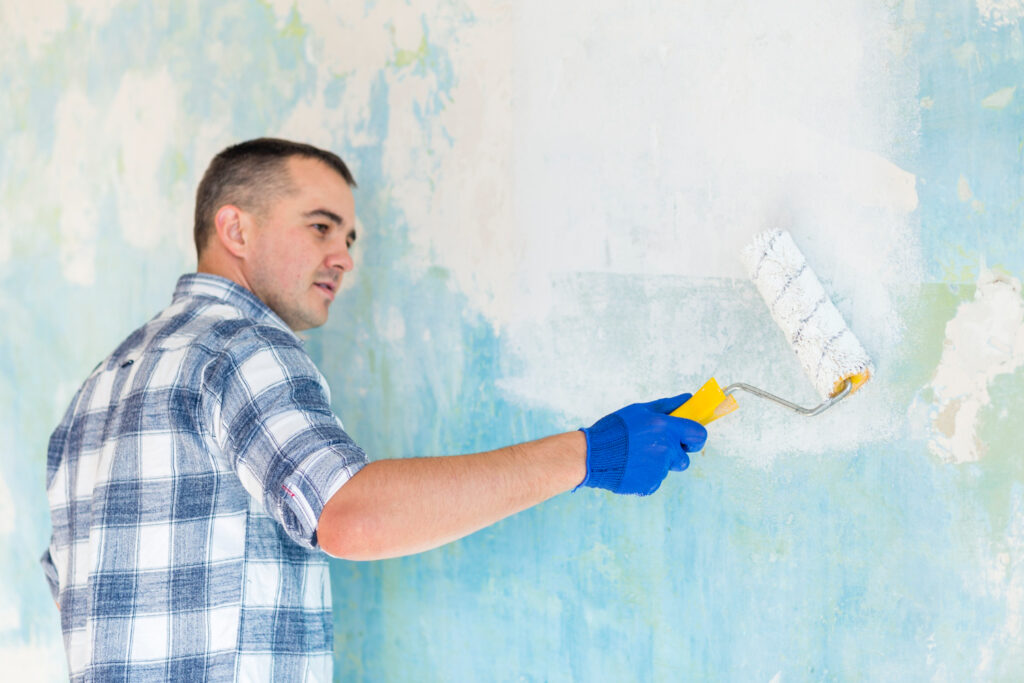
Exterior paint drying time is determined by a complex interaction between environmental conditions, material properties, and specific application techniques. At its core, the drying process occurs through the evaporation of water or solvents and the subsequent chemical curing of the paint film. Consequently, any factor that influences the rate of evaporation will directly impact the time required for the paint to dry. Research in coating science indicates that variables such as temperature, humidity, airflow, surface characteristics, and film thickness all interact to dictate the speed to dry and final performance.
In practical terms, this means two identical paint products may dry at significantly different rates depending on current weather, the substrate being painted, and the method of application. For instance, high humidity can double or even triple drying times, while warm temperatures combined with proper airflow can significantly accelerate the process.
Check Temperature and Humidity Conditions
Temperature and humidity are the most critical environmental factors influencing paint drying. Because paint dries primarily through evaporation, both heat and atmospheric moisture directly dictate the speed of this process. Warm temperatures generally accelerate the process by increasing the rate at which solvents and water leave the paint film. Most paints perform optimally within a moderate temperature range, approximately 10°C to 29°C, where it occurs efficiently without compromising the coating’s structural integrity.
Conversely, humidity serves to slow the process. High humidity levels mean the air is already saturated with moisture, which reduces its capacity to absorb additional water from the wet paint. When humidity levels exceed 85%, the times can double or triple, particularly for water-based products. Technical literature also notes that excessive moisture can interfere with proper curing, potentially damaging the paint’s long-term durability and finish.
Evaluate Paint Type and Formula Used
The chemical composition and solvent content of a paint significantly influence its required drying time. Most paints are categorized by their base, which determines their mechanism:
- Water-Based (Latex) Paints: These rely primarily on the evaporation of water, making them highly sensitive to environmental humidity.
- Oil-Based Paints: These dry through a combination of solvent evaporation and oxidation, which typically results in a longer overall drying time.
- Formulation Variables: Factors such as binder type, solids content, and additives also play a role. Paints with higher liquid content take longer to dry because there is more solvent to evaporate.
- Binder Differences: Specific binders, such as vinyl-acrylic formulations, tend to retain moisture longer than all-acrylic alternatives.
Inspect Surface Material and Porosity
The characteristics of the surface, specifically its porosity, play a vital role in drying. Porous materials, such as masonry or untreated wood, absorb some of the paint’s liquid components, which can accelerate the time to dry of the surface film. In contrast, non-porous or previously sealed surfaces (like metal) do not absorb moisture, leading to slower it.
| Surface Factor | Impact on Drying | Potential Risks |
| Porous Substrate | Accelerates drying via liquid absorption. | Inconsistent result if texture is uneven. |
| Non-Porous Substrate | Slows the process as moisture cannot penetrate. | Potential for sagging or poor adhesion. |
| Surface Temperature | Warm surfaces promote evaporation; cold surfaces slow it. | Blistering if the surface is too hot. |
Proper surface preparation, including cleaning and priming, is essential to create consistent drying conditions and improve overall paint performance.
Monitor Wind and Air Circulation Levels
Air movement is a main factor that facilitates the removal of evaporating moisture and solvents from the paint surface. Adequate airflow ensures that fresh air is constantly available to allow continued evaporation. Technical guidance suggests that increased air circulation can significantly speed up the drying process by preventing the air immediately surrounding the paint from becoming saturated.
Nonetheless, while moderate airflow is beneficial, excessive wind can introduce problems. Strong winds may lead to uneven drying and can blow dust or debris onto the wet surface, resulting in visible defects. Coatings performance research suggests that optimal conditions depend on balancing proper ventilation with stable environmental factors. For exterior projects, a day with light, consistent airflow is preferable to one with gusty winds to ensure a uniform finish.
Apply Proper Coat Thickness During Painting
The thickness of the paint layer, often called the “film thickness,” has a direct and measurable impact on drying time. Thicker coats naturally contain more liquid, requiring more time for that liquid to evaporate before the film can fully dry. Applying paint too heavily can significantly delay the process and may lead to defects such as wrinkling, sagging, or incomplete curing.
Thinner coats dry more quickly and evenly, which is why professional guidelines recommend applying multiple thin layers rather than a single thick one. Scientifically, drying involves both surface evaporation and the internal diffusion of moisture through the paint film. When a layer is too thick, moisture can become trapped beneath the surface, prolonging the drying process and compromising the final appearance. Maintaining consistent, even application ensures faster drying and better long-term durability.
Key Takeaways.
- Temperature and humidity are critical factors that directly dictate the speed of evaporation during the drying process. Warm temperatures accelerate the process , while humidity levels exceeding 85% can double or even triple drying times.
- The chemical base of a paint product significantly influences how long a finish takes to reach its final cured state. Water-based paints rely on evaporation and are sensitive to moisture , while oil-based formulas use oxidation and take longer.
- A material’s porosity determines whether it will absorb liquid paint components to speed up the surface film’s drying. Non-porous or sealed surfaces prevent this absorption, which often leads to slower drying and potential risks like sagging.
- Steady air movement facilitates drying by carrying away evaporating moisture and solvents from the wet paint surface. Increased circulation prevents air saturation , though excessive winds can blow debris onto the finish or cause visible defects.
- The thickness of the paint applied in a single layer has a direct and measurable impact on evaporation. Applying coats too heavily traps moisture beneath the surface, which may cause wrinkling, sagging, or incomplete curing.
FAQs:
Will exterior paint dry in 2 hours?
There is no fixed duration for paint to dry because the required time depends entirely on environmental and application variables. While warm temperatures and steady airflow can accelerate the process, factors like high humidity can triple drying times, and thicker coats will naturally take much longer to evaporate and cure.
How to speed up exterior paint drying?
Drying can be accelerated by painting in warm temperatures with light, consistent airflow to carry away evaporating moisture and solvents. Additionally, professional guidelines recommend applying multiple thin coats rather than one thick layer to facilitate efficient evaporation.
What happens if it rains 2 hours after painting?
High moisture levels can double or triple drying times and interfere with the chemical curing process. This interference potentially compromises the coating’s structural integrity and final appearance.
Will paint dry faster in hot or cold weather?
Paint dries faster in warm weather because higher temperatures increase the rate at which water and solvents evaporate from the film. For the best performance and structural integrity, most paints should be applied within a moderate temperature range of approximately 10°C to 29°C.
You May Also Like:
How to Remove Acrylic Paint from Vinyl Siding
The best materials for Long-Lasting crown molding
How climate affects deck construction and material selection